
Mixing our tiles with the ones you already own
The three inch base, what it means for a pile that came from somewhere else, and the one size of ours that will not join in.
Most people who buy from us already have a bin of tiles. The question is never whether ours are good, it is whether they will sit in the same wall as the ones that arrived last Christmas. Here is the measurement that decides it.
Three inches
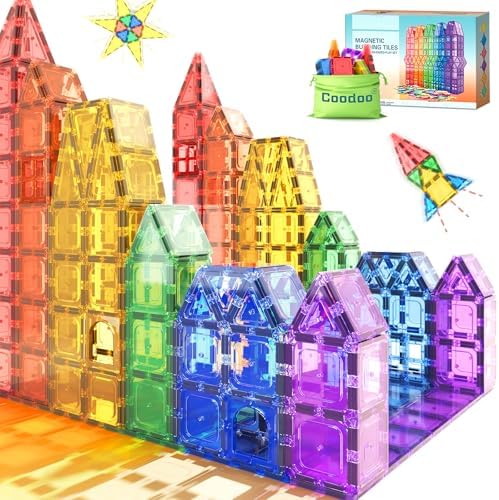
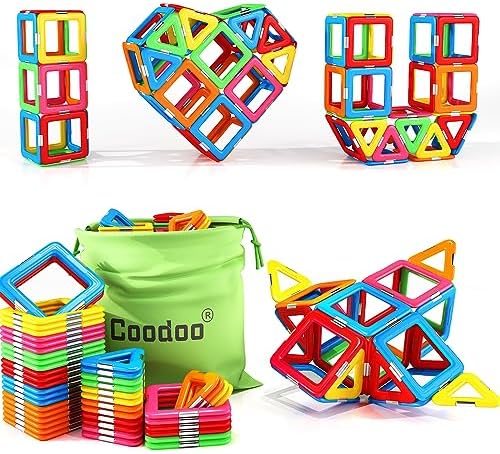
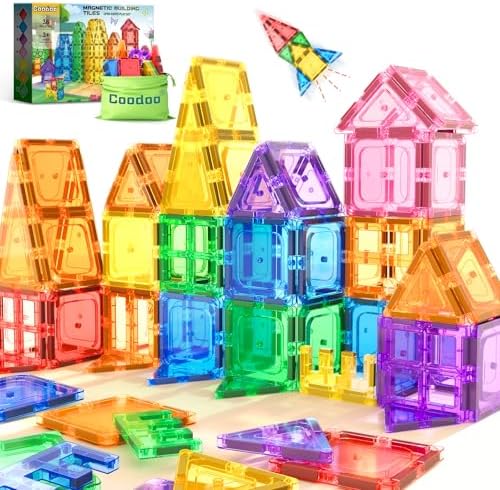
Our full size tiles have a three inch base. That is not our number, it is the number the whole category settled on, and six of our boxes print the measurement on the label for exactly that reason. A three inch square from us meets a three inch square from anyone at the same edge length, and the magnets do the rest. Twenty one of our boxes state compatibility on the label, and seven of those name other leading brands outright.
The practical version: if the tiles you own build a cube that stands up, ours will join it. Colour and clarity vary between makers, which shows in a wall, and some people like that. Ours are translucent rainbow, so they read as the bright ones in a mixed pile.
The mini tins are a different size
This is the part worth knowing before you order. Our travel tins hold mini tiles, and they are small on purpose so a tin fits a coat pocket. The labels put them at 1.48 inches on one set and 0.8 inches on another, described elsewhere as a quarter of the size of a standard tile, or seventy five percent smaller. They state compatibility with standard three inch tiles, and they do clip on. What they will not do is continue a full size wall, because the edges are not the same length. Minis build their own small thing next to the big thing.
If what you want is more of the pile you already have, buy from the starter shelf and not from the tins. If what you want is something for a plane tray, the tins are the whole point, and the lid doubles as a magnetic base so a build survives turbulence.
Shapes that are not squares
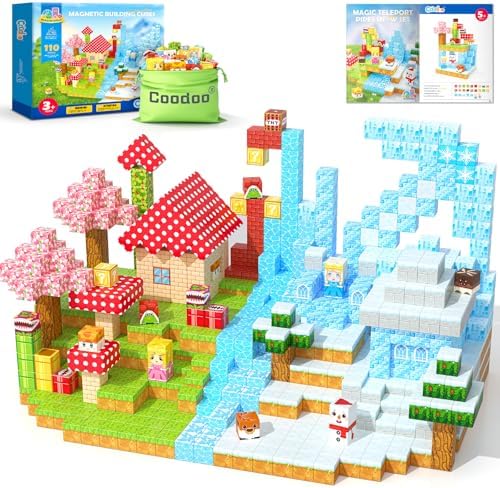
Our castle and dinosaur boxes sit on the same three inch base as the plain shapes, so a portal or a lava plate drops into an existing pile without a second thought. That is the cheapest way to make an old bin interesting again: keep the squares you have and add the pieces nobody has.
Boxes built to the standard base
The boxes this note is about, in order of how many people have bought them.
The other notes
Written from the same floor.
How many tiles to start with
What 36 pieces build, where 60 stops being enough, and why the answer changes the moment a second child sits down. Counted against the sets we actually make.
What the box saysWhat is actually inside one of our tiles
Plastic, magnets, and how the two are held apart. What our boxes state about materials, sealing and age grading, and the one check worth doing yourself.
On the rugFive builds for the first week
What to show a child on day one so the pile does not become a pile. Five builds in order of difficulty, each one out of squares and triangles.
After the buildKeeping a set in one piece
Where the pieces go at the end of the day, why the bag matters more than the shelf, and what to do about the tile that went under the sofa in March.