
What is actually inside one of our tiles
Plastic, magnets, and how the two are held apart. What our boxes state about materials, sealing and age grading, and the one check worth doing yourself.
Every parent who buys magnetic tiles asks the same thing at some point, usually while watching a toddler put a triangle in their mouth. We would rather answer it plainly than leave you reading label copy on a phone in a shop.
The plastic
Eight of our boxes state food grade ABS on the label. ABS is the same rigid plastic that most building toys use, and the food grade wording refers to the grade of the raw material. Thirteen boxes state a smooth surface, rounded edges or both, which is a moulding decision rather than a claim: a rounded edge is what keeps a dropped tile from marking a floorboard or a shin.
The seal
A magnetic tile is two moulded shells with magnets between them, so the join is the whole story. Twelve of our boxes state sealed edges. Several of them describe a cross fix design, which is our name for the internal ribbing that stops the shell flexing apart when a tower falls sideways. Two of our sets carry a third generation frame with stainless steel around both the magnets and the plastic housing.
Three of our sets carry eight magnets per block where six is the common count. More magnets is not a safety feature, it is a stability one: the joins hold at more angles, so a wall stays vertical instead of hinging.
Age grading
Twenty six of our boxes are graded 3 and up. Three are graded 6 and up, and those are the craft kits rather than the tiles, because a marbling tray involves a bath of water and pigment rather than shapes on a rug. The water elf kits are printed for ages 4 to 8. Our flower dyeing kit states CE and UKCA certification, washable pigments that come off hands and tables, and pre cut templates so there are no scissors in the box.
The check worth doing
A sealed tile is sealed until it is not. Once a term, tip the pile out and run a hand over it. You are looking for a shell that has parted at a corner, a hairline in a clear face, or a tile that rattles when you shake it near your ear. A rattle means a magnet has come loose inside, and that tile goes in the bin rather than back in the bag. This takes two minutes and it is the only maintenance these things need.
The boxes that carry the most of this on the label are below, and every one of them repeats it on its own page. The rest of what we have written down is in the build notes.
Sets that spell it out on the box
The boxes this note is about, in order of how many people have bought them.
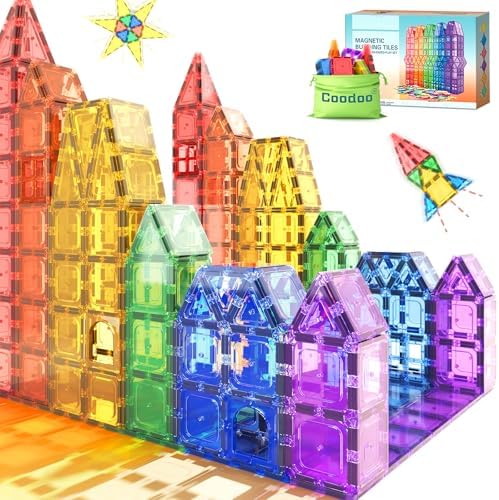
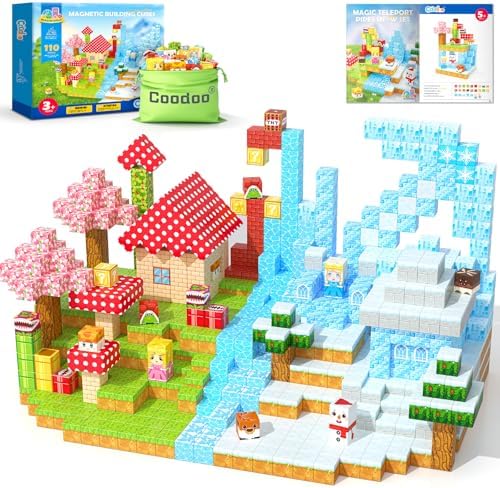
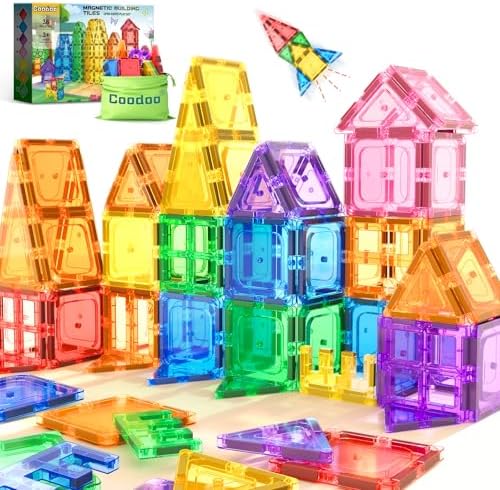
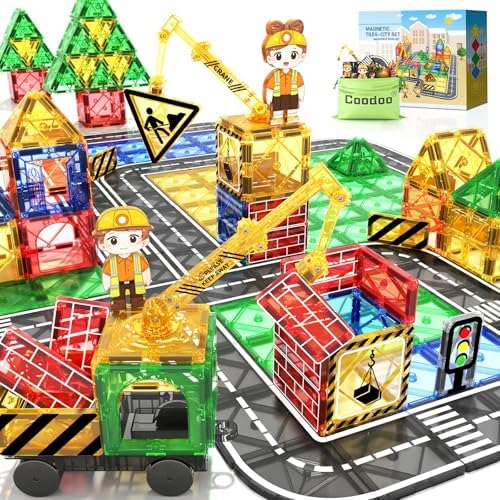
The other notes
Written from the same floor.
How many tiles to start with
What 36 pieces build, where 60 stops being enough, and why the answer changes the moment a second child sits down. Counted against the sets we actually make.
On the rugMixing our tiles with the ones you already own
The three inch base, what it means for a pile that came from somewhere else, and the one size of ours that will not join in.
On the rugFive builds for the first week
What to show a child on day one so the pile does not become a pile. Five builds in order of difficulty, each one out of squares and triangles.
After the buildKeeping a set in one piece
Where the pieces go at the end of the day, why the bag matters more than the shelf, and what to do about the tile that went under the sofa in March.